
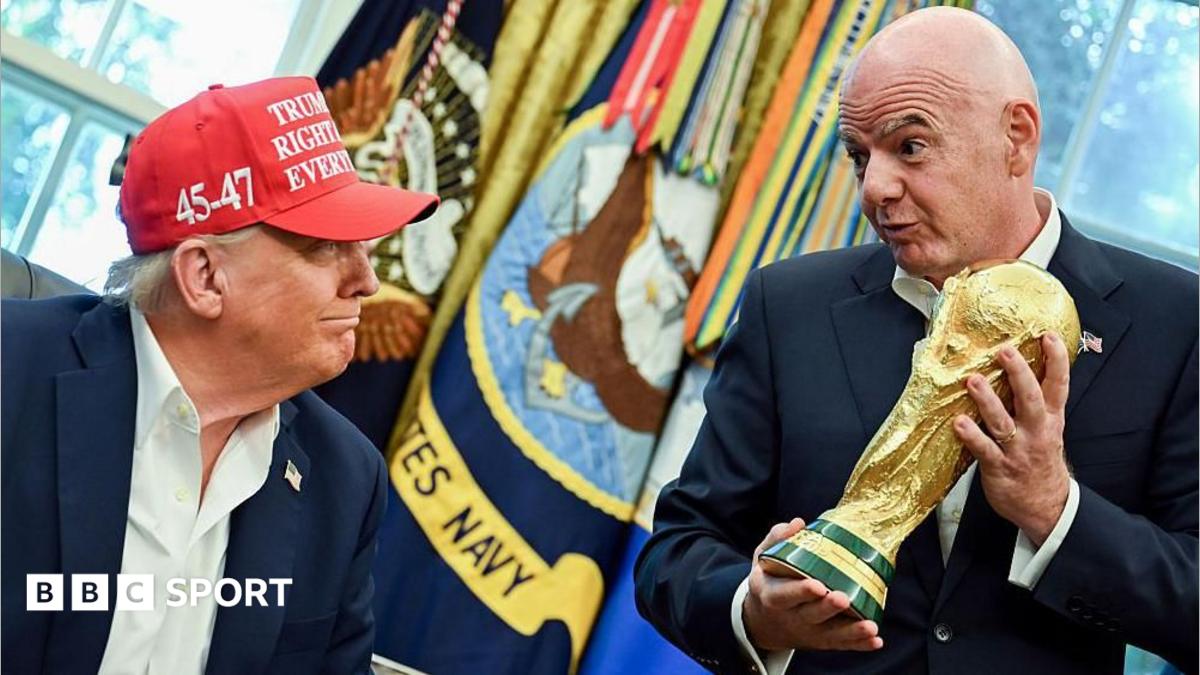
The 2026 World Cup is set to be the first tournament staged across the United States, Mexico and Canada, with 48 teams and 104 matches. That expanded format has heightened excitement, but it has also intensified questions about access, security and political pressure around the event.
BBC reporting highlights several areas of concern, including high ticket prices, visa and travel barriers for fans from some participating countries, and security worries in Mexico linked to cartel violence and protests. In Mexico City, demonstrators have already targeted World Cup-related statues, while teachers have threatened match disruption over wage demands.
Iran’s participation has become one of the most politically sensitive issues. The team’s base was moved from Arizona to Mexico, its federation has complained about group-stage ticket access, and the tournament is unfolding amid wider tensions involving Iran and the United States. The removal of Somalian referee Omar Artan from the officials’ list after he was denied entry to the US has added further scrutiny to immigration policy and tournament access.
Human rights groups have also raised concerns about whether the event could be used for political image-building, while warning about risks tied to immigration enforcement. For editors and fans, the central question is whether football’s biggest event can deliver its promised global celebration while managing the costs and restrictions that may exclude some supporters from taking part.
Discussion
Sign in to join the discussion.
Sign in / Register