
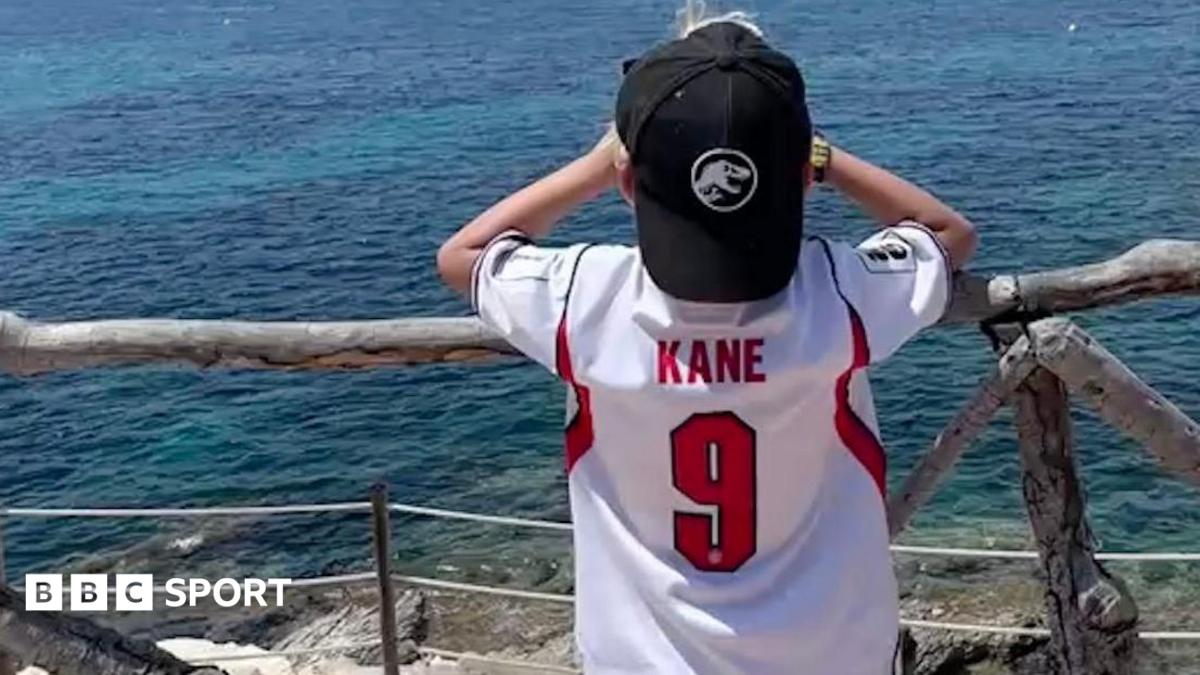
The BBC piece is a personal reflection on experiencing a first shared World Cup with the writer’s almost six-year-old child. Its central point is not a match result, but the renewed joy of seeing football through a young fan’s curiosity.
The essay contrasts adult World Cup memories with a child’s fresh excitement: sticker books, flags, player names, garden kickabouts and morning highlight routines. It frames the tournament as something that can connect generations, even as viewing habits and football culture change.
Several famous names appear in the piece, including Lionel Messi, Kylian Mbappe, Erling Haaland, Harry Kane and Jude Bellingham, but they serve mainly as markers of the child’s growing football imagination rather than as the basis for a news report. Any specific match reference, including the mention of a Messi hat-trick, should be checked separately before being treated as a verified sporting fact.
The strongest editorial angle is the emotional one: World Cups are often remembered less as a list of fixtures than as family moments, childhood rituals and shared routines. The essay also includes a personal note about the writer’s grandfather, linking football stickers to memory, loss and continuity.
Discussion
Sign in to join the discussion.
Sign in / Register