
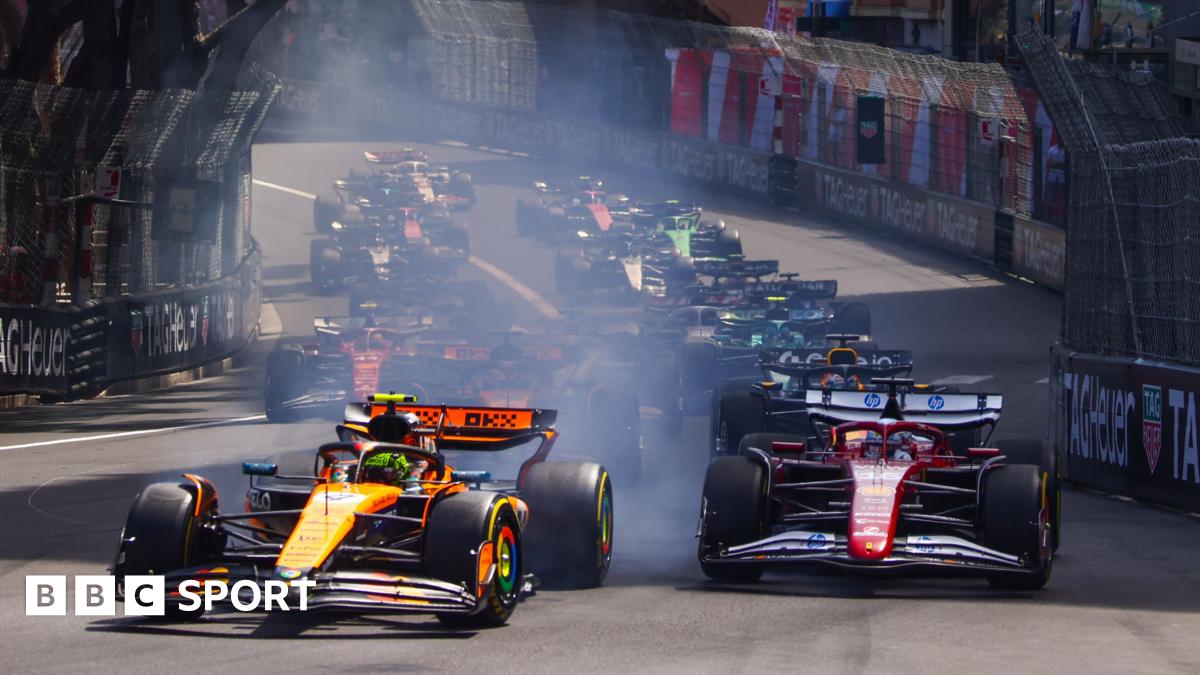
The new 2026 overtake mode may make passing at Monaco slightly more plausible, but it is unlikely to turn the grand prix into a conventional overtaking race. The most realistic change is that drivers could get closer when tyre wear and energy deployment line up in their favour.
Monaco remains the hardest circuit on the calendar for wheel-to-wheel moves. Last year’s race produced only four overtakes, compared with a 2025 grand prix average of 66.9 when sprint races are excluded, and the new cars are still larger than machinery from two decades ago despite being narrower and a little shorter than the previous generation.
The main technical difference is the 2026 power unit and its overtake function. A driver within one second of the car ahead can receive an additional 0.5MJ of electrical energy per lap, a system that has contributed to repeated position swaps elsewhere this season. At Monaco, though, that effect may be muted because the circuit is expected to be less energy-limited than other venues.
Qualifying may see the bigger shift. With frequent braking zones and few long straights, cars should be able to recover enough energy to run close to full power across a lap, while the FIA will disable straight-line wing mode and limit full 350kW electrical deployment above 200km/h. The result could be a more committed qualifying spectacle, even if Sunday still rewards precision, tyre management and track position.
Discussion
Sign in to join the discussion.
Sign in / Register