
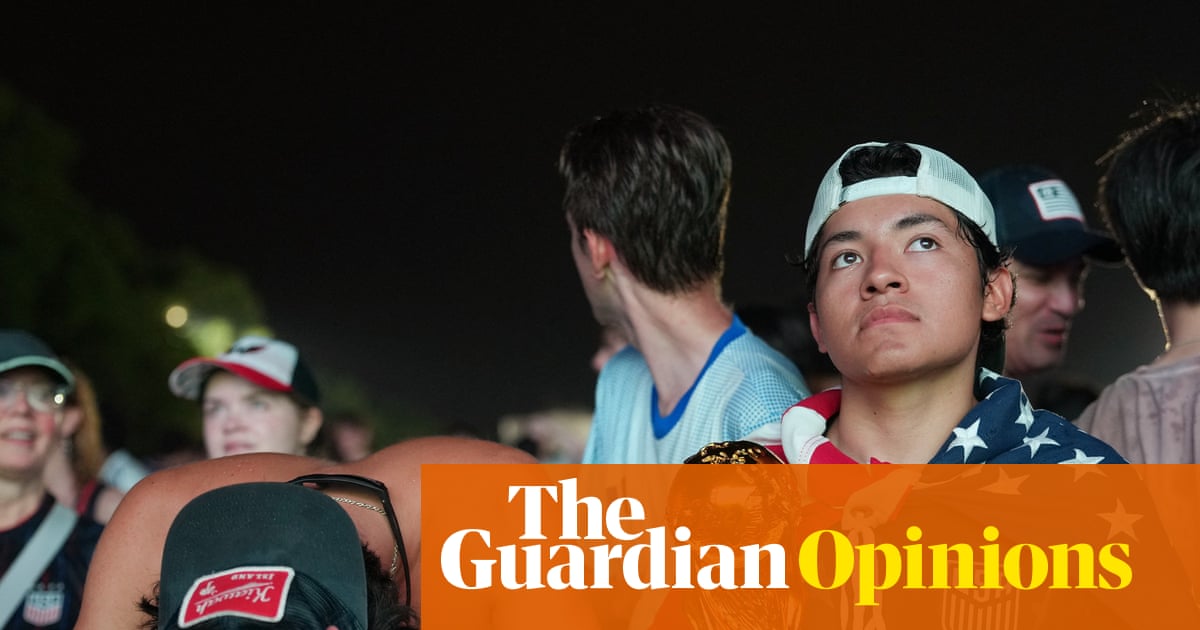
The USA’s 2026 World Cup run ended in a 4-1 defeat to Belgium, a result that sharply undercut the sense of momentum around the men’s national team on home soil. After earlier wins over Paraguay and Bosnia and Herzegovina, the loss has become a focal point for criticism of the team’s readiness against elite opposition.
The Guardian column frames the match as more than a sporting setback, arguing that the US had a rare chance to reach casual fans during a tournament attracting unusual mainstream attention. That interpretation is opinion-led, but it reflects a familiar tension in American soccer: strong interest can build quickly around World Cups, while lasting growth often depends on memorable performances.
The piece also looks back to the 2002 World Cup, when the USA beat Portugal 3-2 and later reached the quarter-finals, as a reference point for what an inspiring tournament moment can mean. By contrast, the Belgium match is presented as a missed opportunity, especially because the source describes the performance as disjointed and lacking composure.
Some audience claims in the source, including references to record-breaking viewing figures and estimates of first-time viewers, need independent confirmation before being treated as firm facts. For editors, the safer angle is not that one defeat determines the sport’s future in the US, but that the result raises a serious question about whether this team converted a major platform into lasting belief.
Discussion
Sign in to join the discussion.
Sign in / Register