
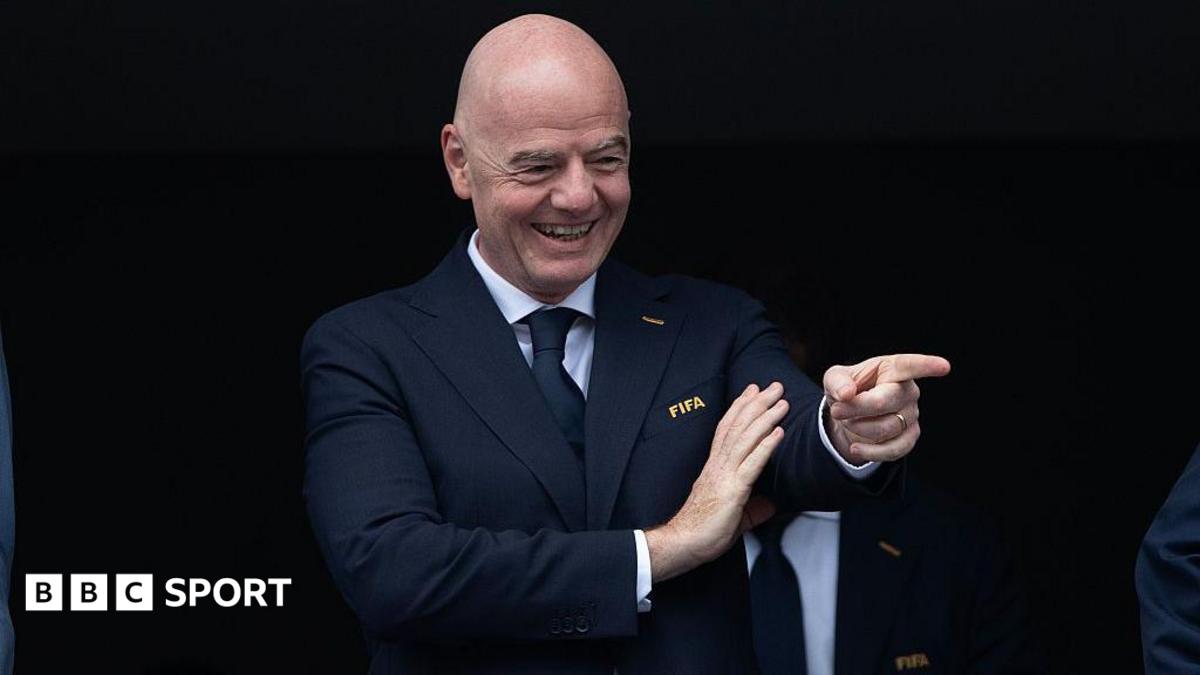
Gianni Infantino is facing fresh criticism after FIFA cleared Folarin Balogun to play for the United States against Belgium, but the backlash from Europe does not automatically put his presidency at risk. The key reason is that Infantino’s support extends well beyond UEFA, especially among federations that have benefited from FIFA development funding and expanded World Cup access.
The Balogun case has become a governance flashpoint because FIFA reversed the effect of a red-card suspension even though the source reports that World Cup rules do not allow appeals against red cards. Donald Trump said he had asked for the matter to be reviewed, while Infantino denied political interference and said FIFA’s disciplinary process was independent.
UEFA’s response was unusually forceful, accusing FIFA of crossing a line and calling the decision unprecedented and unjustifiable. The episode adds to existing tensions over Infantino’s relationship with Trump, the FIFA Peace Prize, the Club World Cup, World Cup ticketing, and previous disputes between FIFA and European football leaders.
Yet the politics of FIFA are global, not European alone. The expanded 48-team World Cup has created new opportunities for countries outside the traditional elite, and FIFA’s development programmes remain a significant source of influence. That does not remove the need for transparency, but it helps explain why European anger may not be enough to unseat Infantino ahead of re-election.
Discussion
Sign in to join the discussion.
Sign in / Register