World CupEcuador -- Germany20:00World CupCuraçao -- Ivory Coast20:00World CupTunisia -- Netherlands23:00World CupJapan -- Sweden23:00World CupParaguay -- Australia02:00World CupTürkiye -- USA02:00World CupSenegal -- Iraq19:00World CupNorway -- France19:00World CupCape Verde Islands -- Saudi Arabia00:00World CupUruguay -- Spain00:00World CupNew Zealand -- Belgium03:00World CupEgypt -- Iran03:00World CupCroatia -- Ghana21:00World CupPanama -- England21:00World CupEcuador -- Germany20:00World CupCuraçao -- Ivory Coast20:00World CupTunisia -- Netherlands23:00World CupJapan -- Sweden23:00World CupParaguay -- Australia02:00World CupTürkiye -- USA02:00World CupSenegal -- Iraq19:00World CupNorway -- France19:00World CupCape Verde Islands -- Saudi Arabia00:00World CupUruguay -- Spain00:00World CupNew Zealand -- Belgium03:00World CupEgypt -- Iran03:00World CupCroatia -- Ghana21:00World CupPanama -- England21:00
Back to news
Tennis

Wimbledon prize-money dispute moves into media spotlight

Leading players plan to extend a media-limiting protest at Wimbledon, arguing that a 20% prize-money rise still falls short of broader demands over revenue share, benefits and governance.

Wimbledon prize-money dispute moves into media spotlight
Image credit: bbc.co.uk

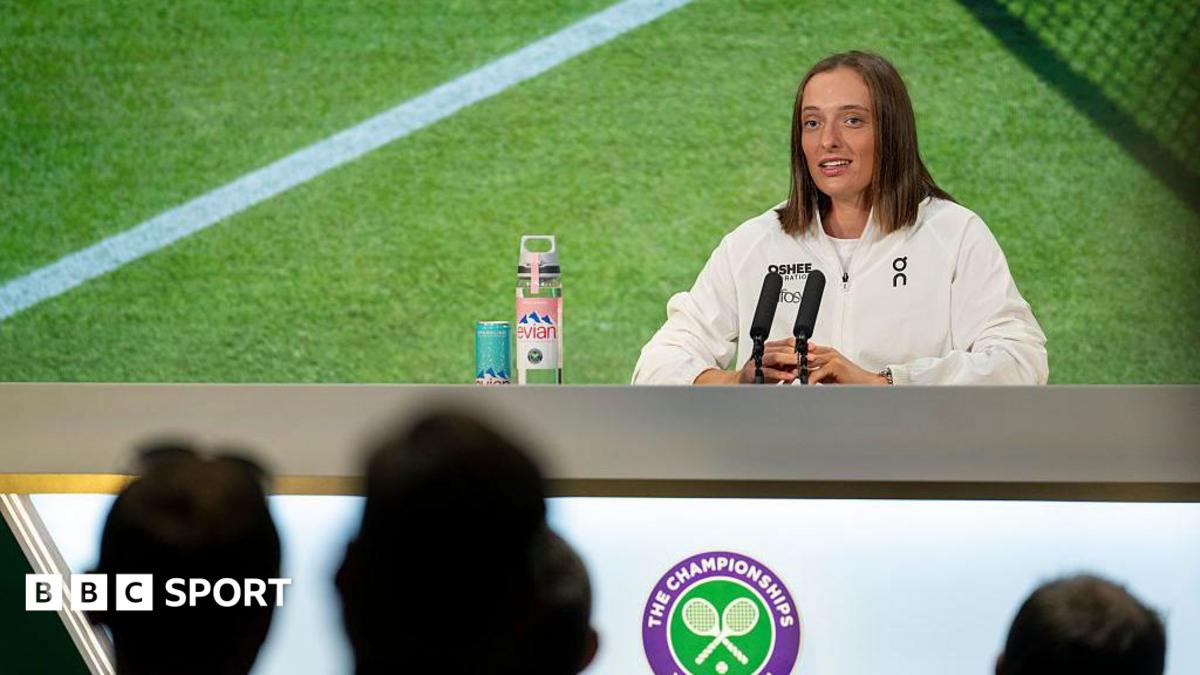
Leading tennis players are set to expand their prize-money protest at Wimbledon by limiting media duties, even after the tournament raised its total prize fund by 20%. The planned action includes shorter pre-tournament availability and 15-minute post-match appearances during the first week.

The time limit is designed to underline the players’ argument that Grand Slams allocate too small a share of revenue to prize money. Wimbledon’s fund is listed at £64.2m, with singles champions due £3.6m each and first-round losers receiving £80,000, but player representatives still say the increase does not meet their target of 16% of tournament revenue.

The All England Club has pushed back on the approach, arguing that revenue percentage alone does not reflect the costs of staging and investing in the event. AELTC chair Deborah Jevans has framed the issue as one of long-term sustainability, while the club has also pointed to spending on player facilities.

The dispute now goes beyond prize money. Players are also seeking benefit-pool contributions and a stronger role in how Grand Slam events are run, while Wimbledon says it previously proposed talks around a player council. With Grand Slam media rules carrying possible fines for non-appearance, the first week at SW19 could test how far players are willing to take a coordinated “work to rule” protest.

Sources & copyright

This article does not reproduce any source in full. It is built from public facts and editorial work; original links belong to their authors.

Public sources

This article may use AI for summarization, translation, or SEO assistance, and is reviewed by editors before publishing.

Discussion