LIVESuper LeagueQingdao Jonoon 00 Chengdu Better City30'World CupBrazil -- Norway20:00World CupMexico -- England00:00World CupPortugal -- Spain19:00World CupUSA -- Belgium00:00World CupArgentina -- Egypt16:00World CupSwitzerland -- Colombia20:00World CupParaguay 01 FranceFTWorld CupCanada 03 MoroccoFTSuper LeagueTianjin Teda 30 Sichuan JiuniuFTSuper LeagueDalian Zhixing 32 Wuhan Three TownsFTSuper LeagueBeijing Guoan 20 Shandong LunengFTSuper LeagueShenyang Urban 31 Chongqing Tongliang LongFTSuper LeagueQingdao Youth Island 21 SHANGHAI SIPGFTLIVESuper LeagueQingdao Jonoon 00 Chengdu Better City30'World CupBrazil -- Norway20:00World CupMexico -- England00:00World CupPortugal -- Spain19:00World CupUSA -- Belgium00:00World CupArgentina -- Egypt16:00World CupSwitzerland -- Colombia20:00World CupParaguay 01 FranceFTWorld CupCanada 03 MoroccoFTSuper LeagueTianjin Teda 30 Sichuan JiuniuFTSuper LeagueDalian Zhixing 32 Wuhan Three TownsFTSuper LeagueBeijing Guoan 20 Shandong LunengFTSuper LeagueShenyang Urban 31 Chongqing Tongliang LongFTSuper LeagueQingdao Youth Island 21 SHANGHAI SIPGFT
Back to news
Football

Aramco’s World Cup visibility raises Port Arthur questions

Aramco’s FIFA partnership has put its branding across World Cup venues, while residents near the company-owned Motiva refinery in Port Arthur describe pollution fears, health concerns and economic neglect.

Aramco’s World Cup visibility raises Port Arthur questions
Image credit: theguardian.com

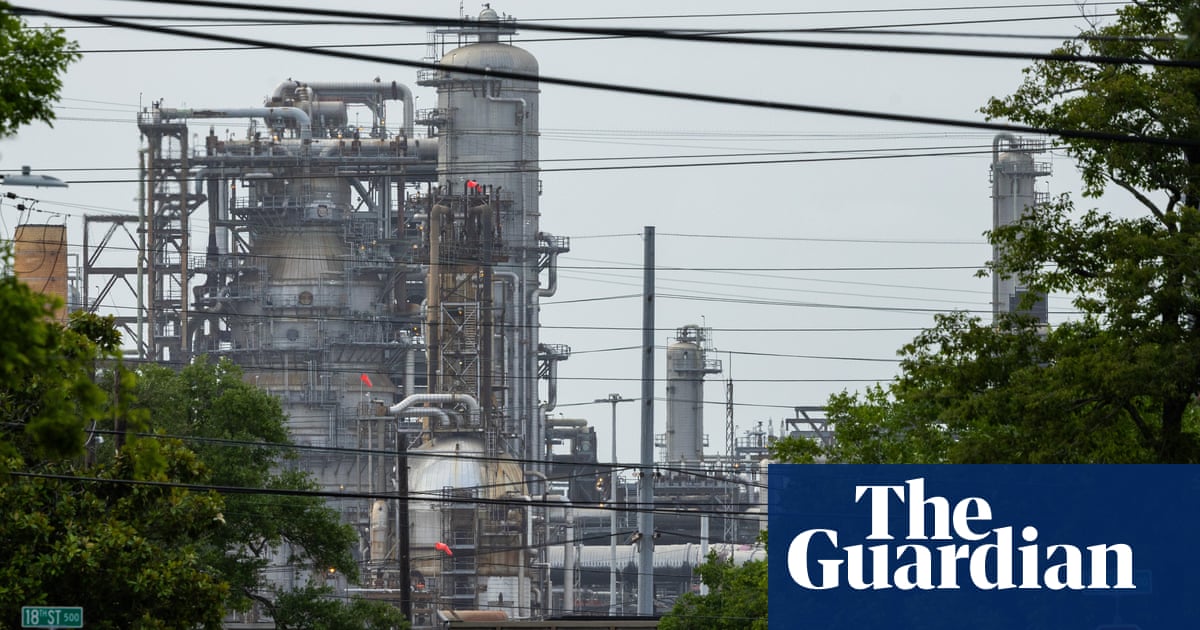
Aramco’s prominent World Cup sponsorship is facing scrutiny because the company also owns the Motiva refinery in Port Arthur, Texas, where residents interviewed by The Guardian link daily life near heavy industry with pollution fears and long-term health concerns.

The report contrasts Aramco’s presence around Houston’s World Cup fan activity with conditions about 100 miles away in Port Arthur. The Motiva facility is described as one of the largest refineries in the United States, and Aramco has owned it outright since 2017. The article also notes Aramco became a major FIFA partner in 2024 and the tournament’s exclusive energy sponsor.

Residents and local environmental campaigner Hilton Kelley describe a community that feels trapped beside refinery infrastructure, citing cancer, asthma and other health worries. The source reports several recent penalties involving Motiva, including fines tied to sulphur dioxide releases and a contaminated water incident, while also noting broader emissions concerns in the area.

For editors, the central issue is not a match result but the tension between football’s global sponsorship economy and the lived reality of communities near major industrial sites. The available material is detailed but single-sourced, and several public-health and emissions figures would need independent confirmation before stronger claims about causation are made.

Sources & copyright

This article does not reproduce any source in full. It is built from public facts and editorial work; original links belong to their authors.

Public sources

This article may use AI for summarization, translation, or SEO assistance, and is reviewed by editors before publishing.

Discussion

    Related reading

    News
    Why the Azteca matters as England return to a World Cup landmark
    Editorial2 min
    News
    Haaland vs Gabriel adds edge to Brazil-Norway World Cup clash
    Editorial2 min
    News
    Tim Ream frames USMNT diversity as part of its American identity
    Editorial1 min
    News
    Tuchel asks England to keep calm before Mexico knockout test
    Editorial1 min
    Aramco’s World Cup visibility raises Port Arthur questions | ScoreGale