World CupFrance -- Morocco20:00World CupSpain -- Belgium19:00World CupNorway -- England21:00World CupArgentina -- Switzerland01:00World CupSwitzerland 00 ColombiaFTWorld CupArgentina 32 EgyptFTWorld CupUSA 14 BelgiumFTWorld CupPortugal 01 SpainFTLIVEFriendlies ClubsKolding IF 10 Vendsyssel FF90+1'LIVEFriendlies ClubsNEC Nijmegen 23 MSV Duisburg90+1'LIVEFriendlies ClubsFC Gutersloh 03 Arminia Bielefeld90+1'LIVECearense U20Anjos do Céu U20 43 Alianca U2090+5'LIVELigi kuu BaraTanzania Prisons 00 Mbeya City90+8'LIVEUEFA U19 ChampionshipDenmark U19 00 Italy U1998'World CupFrance -- Morocco20:00World CupSpain -- Belgium19:00World CupNorway -- England21:00World CupArgentina -- Switzerland01:00World CupSwitzerland 00 ColombiaFTWorld CupArgentina 32 EgyptFTWorld CupUSA 14 BelgiumFTWorld CupPortugal 01 SpainFTLIVEFriendlies ClubsKolding IF 10 Vendsyssel FF90+1'LIVEFriendlies ClubsNEC Nijmegen 23 MSV Duisburg90+1'LIVEFriendlies ClubsFC Gutersloh 03 Arminia Bielefeld90+1'LIVECearense U20Anjos do Céu U20 43 Alianca U2090+5'LIVELigi kuu BaraTanzania Prisons 00 Mbeya City90+8'LIVEUEFA U19 ChampionshipDenmark U19 00 Italy U1998'
Back to news
Tennis

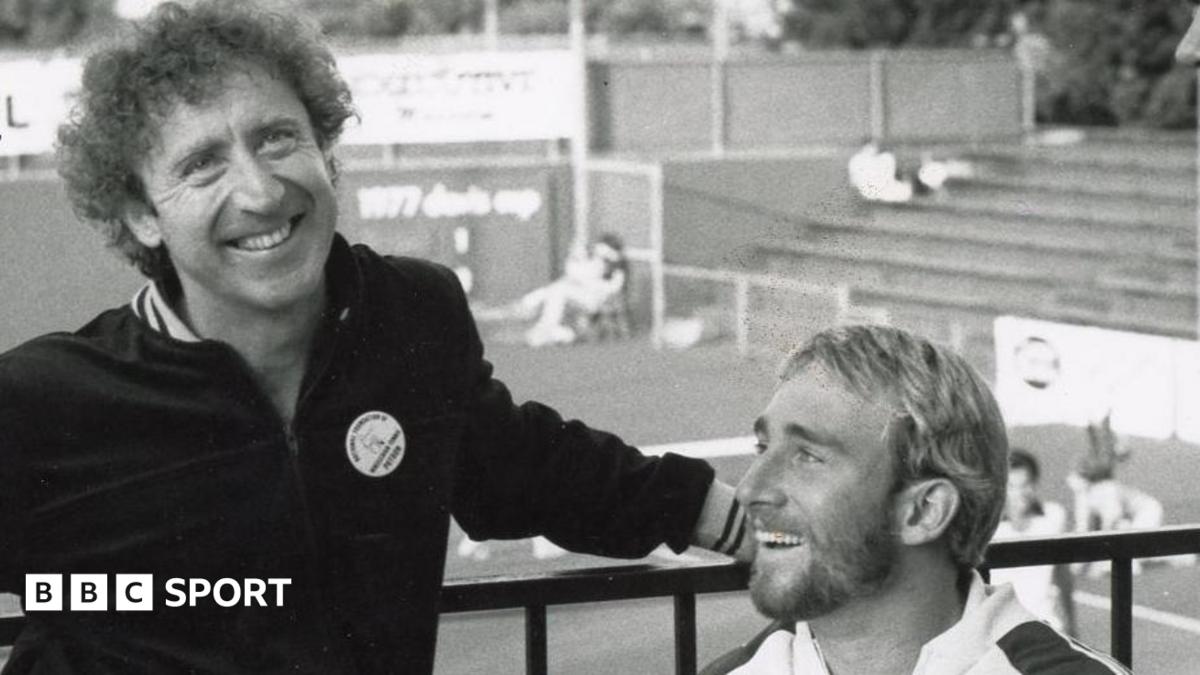
Brad Parks and the picnic idea that helped create wheelchair tennis

Brad Parks helped turn a personal experiment with tennis after paralysis into an organised global sport, with the two-bounce rule, early tournaments, Paralympic inclusion and integration into the ITF among its key milestones.

Brad Parks and the picnic idea that helped create wheelchair tennis
Image credit: bbc.co.uk

Brad Parks is credited in the supplied BBC account as a founding figure of wheelchair tennis, developing the idea after trying to play from a wheelchair following a freestyle skiing accident. What began during a family picnic grew into a sport with its own competitions, equipment advances and international governance.

The early breakthrough was keeping the game close to tennis while allowing the ball to bounce twice. Parks and physiotherapist Jeff Minnebraker tested ideas, adapted chairs and helped move the sport beyond improvised sessions on difficult public courts.

The timeline in the source shows steady growth: an inaugural event in Irvine in 1977, a national foundation and circuit in 1980, expansion outside the United States in 1982, the formation of the IWTF in 1988, and Paralympic inclusion in 1992. Parks also won the first Paralympic doubles title with Randy Snow.

The story is also a reminder that visibility mattered. Demonstrations, exhibitions and encounters with well-known figures such as Gene Wilder, Sidney Poitier and leading tennis names helped show that wheelchair tennis could belong inside the wider tennis world rather than sit apart from it.

Sources & copyright

This article does not reproduce any source in full. It is built from public facts and editorial work; original links belong to their authors.

Public sources

This article may use AI for summarization, translation, or SEO assistance, and is reviewed by editors before publishing.

Discussion

    Related reading

    News
    Gauff reaches first Wimbledon semi-final after comeback win over Pegula
    Editorial1 min
    News
    Fery’s route to a Wimbledon upset: movement, net pressure and belief
    Editorial2 min
    News
    Djokovic survives five-set Wimbledon test to reach Sinner semi-final
    Editorial1 min
    News
    Arthur Fery reaches Wimbledon quarter-finals after Dimitrov win
    Editorial1 min
    Brad Parks — how a picnic inspired wheelchair tennis | ScoreGale