
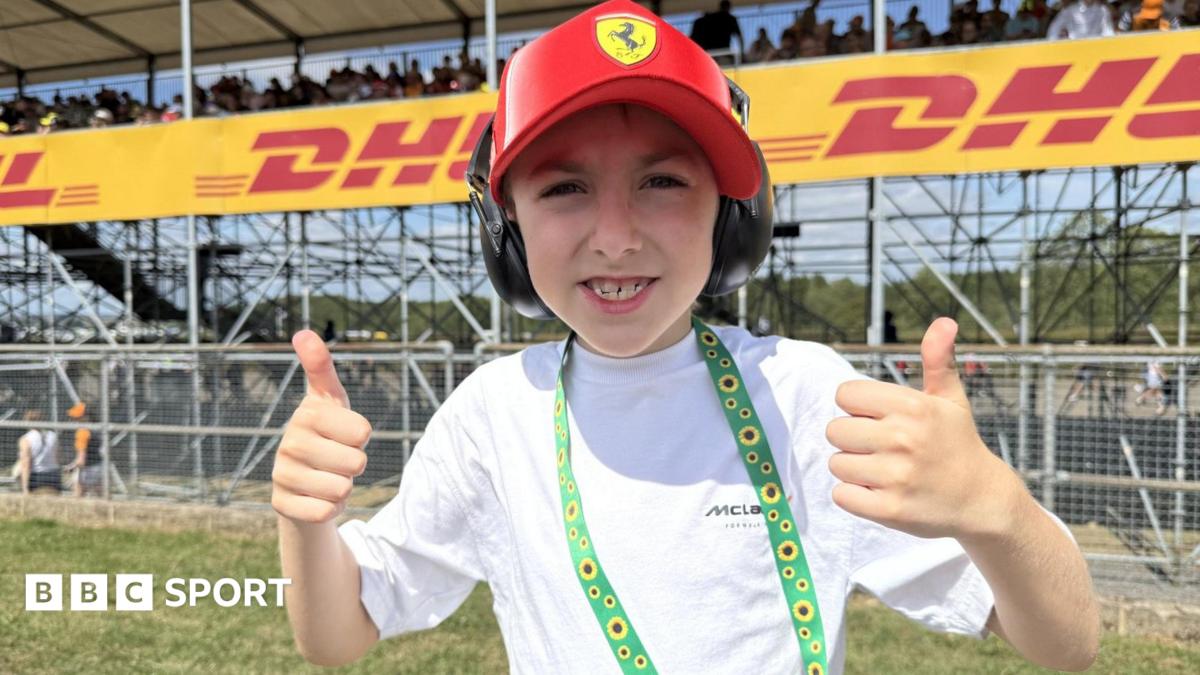
Silverstone has made attending the British Grand Prix more workable for some neurodivergent fans through measures including a limited-capacity viewing area, a sensory room and extra accessibility volunteers. The BBC account follows nine-year-old Joshua, an autistic F1 fan with ADHD, whose race weekend included both sensory distress and moments of real enjoyment.
The most striking point is that accessibility is not only about ramps, seats or ticketing. In Joshua’s case, a hand dryer caused panic, while the sound and rhythm of cars on track could feel more manageable. That contrast underlines why major sports venues need flexible support rather than one-size-fits-all assumptions.
Silverstone’s Copse Triangle area, accessed through its Personal Assistance Scheme, is presented as a quieter, more controlled trackside space for neurodivergent spectators. The venue also provided a family zone with a sensory room and added 120 volunteer race makers in 2026 to help with accessibility needs.
The piece also raises a wider F1 question: if future engine rules bring louder cars, how might that affect fans who have found the current hybrid era easier to tolerate? For editors, the story is less about one family’s weekend and more about whether motorsport can grow without leaving sensory-sensitive supporters behind.
Discussion
Sign in to join the discussion.
Sign in / Register