LIVESuper LeagueQingdao Jonoon 42 Yunnan Yukun90+9'World CupSenegal -- Iraq19:00World CupNorway -- France19:00World CupCape Verde Islands -- Saudi Arabia00:00World CupUruguay -- Spain00:00World CupEgypt -- Iran03:00World CupNew Zealand -- Belgium03:00World CupCroatia -- Ghana21:00World CupPanama -- England21:00World CupColombia -- Portugal23:30World CupCongo DR -- Uzbekistan23:30World CupAlgeria -- Austria02:00World CupJordan -- Argentina02:00World CupSouth Africa -- Canada19:00LIVESuper LeagueQingdao Jonoon 42 Yunnan Yukun90+9'World CupSenegal -- Iraq19:00World CupNorway -- France19:00World CupCape Verde Islands -- Saudi Arabia00:00World CupUruguay -- Spain00:00World CupEgypt -- Iran03:00World CupNew Zealand -- Belgium03:00World CupCroatia -- Ghana21:00World CupPanama -- England21:00World CupColombia -- Portugal23:30World CupCongo DR -- Uzbekistan23:30World CupAlgeria -- Austria02:00World CupJordan -- Argentina02:00World CupSouth Africa -- Canada19:00
Back to news
Tennis

Wimbledon prize-money protest: why top players are limiting media duties

Leading players plan to restrict media access at Wimbledon despite a record £64.2m prize fund, arguing that Grand Slam revenue should be shared more broadly with players.

Wimbledon prize-money protest: why top players are limiting media duties
Image credit: bbc.co.uk

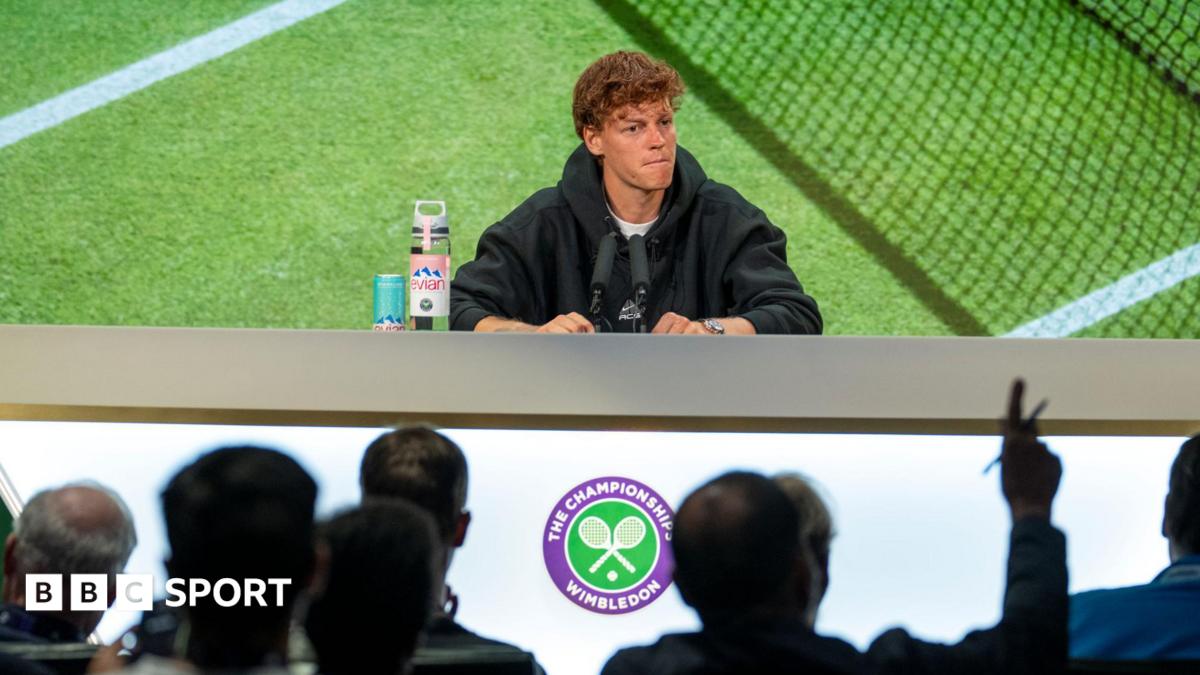
Top tennis players are continuing their prize-money protest at Wimbledon by limiting media access, including 15-minute post-match appearances during the first week. Their central demand is for Grand Slam tournaments to commit a larger share of revenue to prize money and player benefits.

Wimbledon has raised its prize fund by 20% to £64.2m, with singles champions set to receive £3.6m and first-round losers £80,000. But the players’ target is a 16% share of tournament revenue this year, rising to 22% by 2030, and the reported Wimbledon total remains about £7m below that benchmark.

The dispute is not only about headline prize cheques. Players are also seeking stronger contributions to pension, healthcare and maternity funds, plus more influence over scheduling issues such as late finishes and longer tournament formats.

The protest follows a similar approach at the French Open, where some leading players kept media duties to around 15 minutes without being penalised after meeting core obligations. For editors and fans, the key tension is whether the players’ case for a larger revenue share outweighs the Grand Slams’ argument that major costs, facilities and wider tennis investment must also be funded.

Sources & copyright

This article does not reproduce any source in full. It is built from public facts and editorial work; original links belong to their authors.

Public sources

This article may use AI for summarization, translation, or SEO assistance, and is reviewed by editors before publishing.

Discussion

    Related reading

    News
    Chris Evert to miss Wimbledon coverage after cancer recurrence
    Editorial1 min
    News
    Draper builds comeback momentum with Eastbourne semi-final run
    Editorial1 min
    News
    Junior tennis pressure puts parents under the spotlight
    Editorial1 min
    News
    BBC outlines Wimbledon coverage across TV, radio and streaming
    Editorial1 min