
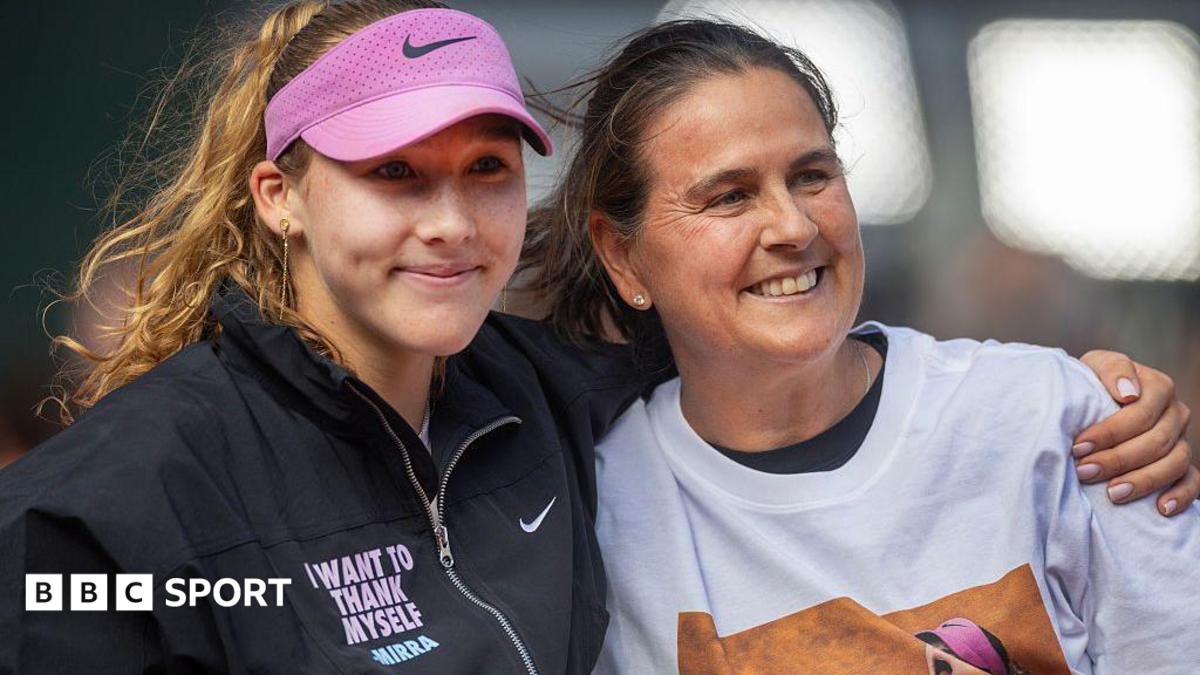
Female coaches are still uncommon at the top of tennis: only four singles players in the top 50 currently have a woman as their primary coach. The gap persists even as WTA figures show women’s representation among registered coaches rising from 6% in 2017 to 19% in 2026.
Recent success has made the issue harder to ignore. Conchita Martinez, a former Wimbledon champion, coached 19-year-old Mirra Andreeva to her first Grand Slam title at the French Open, while Sandra Zaniewska’s work with Marta Kostyuk is another example of women operating at the sport’s highest level.
The barriers described in the source are not only about opportunity. Travel demands, family considerations, the value placed on male hitting partners, and long-held assumptions about confidence and authority all appear to shape who gets hired and who is considered for elite roles.
The WTA’s Coach Inclusion Programme is one attempt to widen the pathway. Since its 2021 launch, the programme has aimed to help female coaches move beyond junior or club environments by building networks, experience and confidence for higher-level roles.
The wider question for tennis is not whether female coaches are inherently better suited to particular players, but whether they are being given a fair chance to compete for the same jobs. Visibility, access and player habits may decide how quickly the coaching box changes.
Discussion
Sign in to join the discussion.
Sign in / Register